Barndominium Permits and Approvals in Nevada
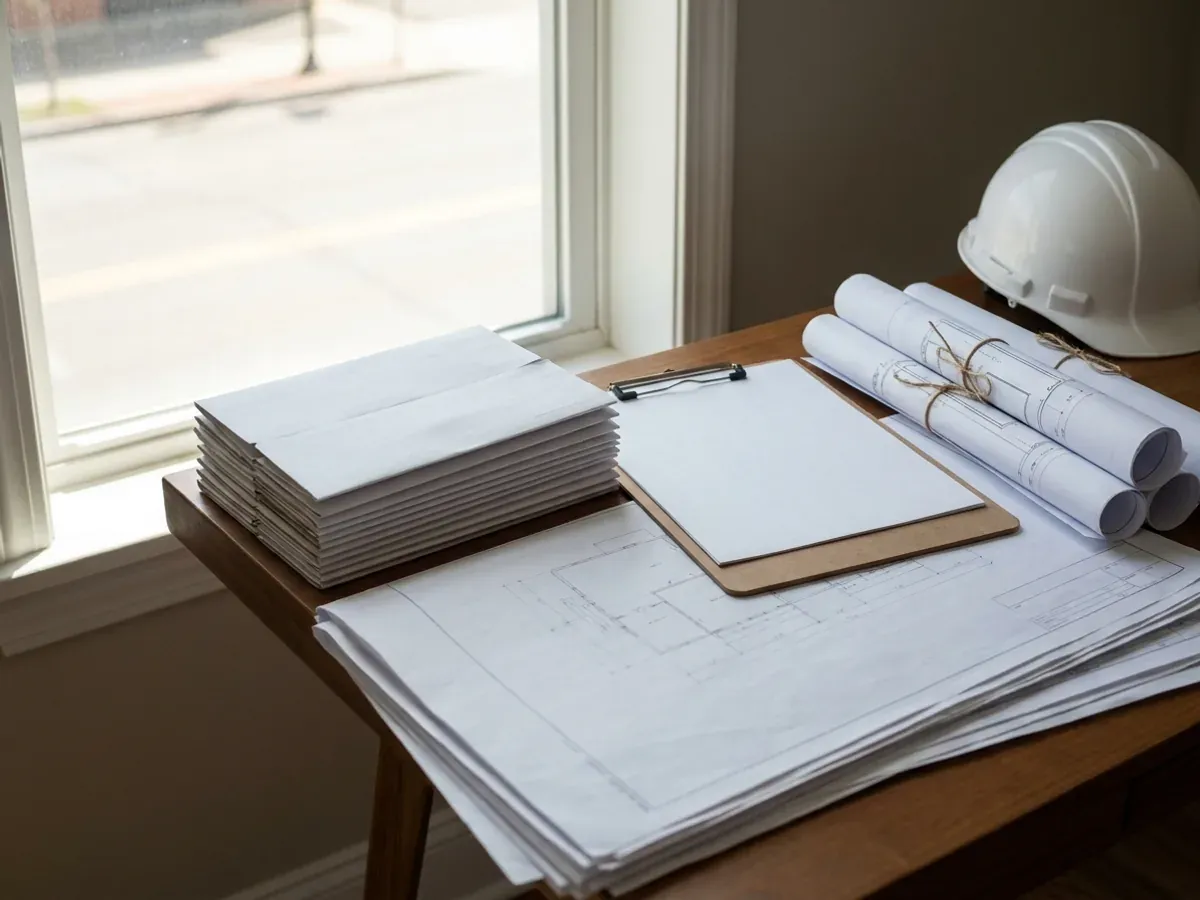
A barndominium in Nevada needs more than a building permit. Depending on the parcel it needs a septic permit from the health authority, proof of water from a water district or a well log with any required water rights, a flood-zone review, a soils report, a grading plan and zoning sign-off — each from a different office with its own forms and review times. We prepare and assemble those applications to each agency's own checklist and track them through review. The permits themselves are issued to the Nevada-licensed contractor carrying out the work, or to you as an owner-builder.
Permitting & Approvals: how the work runs
Four stages, in this order. The sequence matters more than it looks: getting the soils report, the septic and water answers and the design values settled before anything is fabricated is what keeps a Nevada build from stalling.
Identify every authority over the parcel
The first job is a list of who has a say. In the Las Vegas Valley that may be Clark County or one of the cities for the building permit, the Southern Nevada Health District for septic, the Las Vegas Valley Water District for water, and the Regional Flood Control District's maps for flood hazard. Around Reno it may be Washoe County with Northern Nevada Public Health. In Pahrump it is Nye County's building department for the Pahrump Regional Planning District. The list sets the order of everything that follows.
Water and sewer answers before the building application
Health and water approvals usually gate the building permit. The Southern Nevada Health District will not review a septic plan without proof of an approved water source and a letter from the sewer authority saying sewer is not available, and it issues new septic permits only where the property is more than 400 feet from a community sewer connection. In Washoe County the septic design is permitted together with the building permit it serves. Getting these letters first stops a building application from sitting incomplete.
A complete building submittal
The building submittal is assembled to the department's own checklist: plan sets in the required number and scale, sealed structural calculations where required, the soils report, the grading plan, energy compliance documents and the site plan showing wells, septic, easements and flood boundaries. Each department has its own list. Elko County, for example, wants two identical sets at a quarter inch to the foot and a separate plot plan; Clark County wants a geotechnical report at the time of application.
Corrections, issuance and inspections
Plan reviewers issue corrections, and each round is answered in writing with revised sheets. Once approved, the permit is issued to the licensed contractor of record or to the owner-builder, whose exemption affidavit from the Nevada State Contractors Board goes in with the application. Inspections then follow the work — footings, frame, rough-ins, insulation, final — alongside the septic inspections, and the job closes with the certificate of occupancy.
The code that reaches your barndominium is the one your jurisdiction adopted
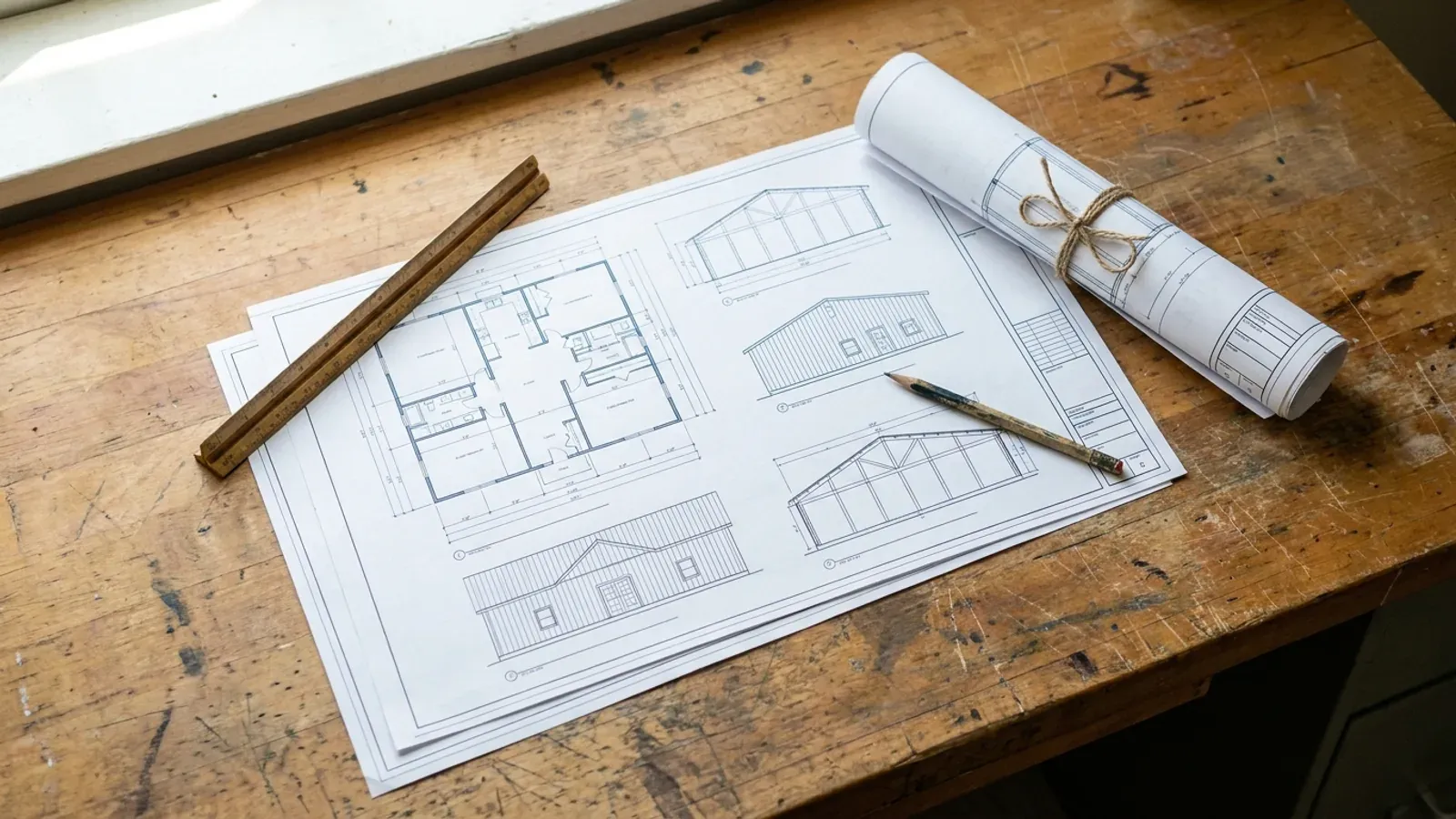
Nevada's building departments do not all run the same edition. Clark County adopted the 2024 codes with the Southern Nevada Building Officials' amendments on 15 July 2025, effective 11 January 2026, and those amendments are written by a committee on which seven southern municipalities — Clark County, Henderson, Las Vegas, North Las Vegas, Boulder City, Pahrump and Mesquite — hold the votes. Douglas County adopted the 2024 codes with the Northern Nevada amendments for submittals from 5 January 2026. Nye County's building department still lists the 2018 editions for the Pahrump Regional Planning District. A permit package built for one of them will not simply transfer to the next county over.
Permitting & Approvals across Nevada
In Nevada the line that matters is the building department's. Clark County and its cities work from the Southern Nevada amendments to the 2024 codes; Washoe and Douglas counties from the Northern Nevada amendments; Nye County's department lists the 2018 codes for Pahrump. Septic goes to the Southern Nevada Health District in the south and Northern Nevada Public Health around Reno. Cross a county line and what changes is the wind, snow and seismic values on the drawings, the soils report the department expects, who approves the septic system and what the fees are.
Barndominium projects across Nevada.
Every county has its own reviewer, fee schedule and published design values. The service area pages set out what each one publishes.
What actually decides the price
Square footage is the number everyone leads with, and it is rarely the one that moves a barndominium budget. These four do.
-
Which jurisdiction reviews the plans
Review fees, turnaround and the depth of review all depend on the department. A large urban department reviews in detail against current editions and local amendments; a rural county may run a lighter process on an older code. Seven Las Vegas Valley communities that feel like cities — Paradise, Spring Valley, Enterprise and others — are unincorporated and permit through Clark County itself. Knowing the right office at the start avoids submitting to the wrong one.
-
Septic and water approvals
A rural barndominium often needs a septic permit and a water approval before the building permit can issue, and each has its own fee and review. The Southern Nevada Health District asks for a boring, a surveyor-stamped map and a full septic plan; Northern Nevada Public Health starts with a test trench inspection and quotes 14 days for new-system plan review. A well needs a well log, and the health district may ask for water rights from the Nevada Division of Water Resources.
-
Reports the county requires
The largest permit costs are often the reports rather than the fees: a geotechnical report prepared by a registered design professional, a grading plan stamped by one, structural calculations sealed by a Nevada-licensed professional engineer, and energy-code compliance documentation. Clark County's amendments make the soils report the default for new foundations. These are third-party professional services, and their cost scales with the site's difficulty.
-
Impact and connection fees
Some counties charge impact fees on new homes on top of plan review and permit fees. Nye County's building department posts impact fees of $8,915.97 effective 13 January 2025, for instance. Water districts, sewer authorities and utilities charge their own connection or extension fees. Ask each authority for its current fee schedule at the feasibility stage, because these amounts are fixed by the agency and cannot be negotiated later.
Permitting & Approvals in Nevada: common questions
8 questions about building in Nevada. If yours is not on the list, put it in the survey and we will answer it.
Do all Nevada building departments use the same code?
Who applies for the building permit?
What septic approvals are needed in southern Nevada?
What about septic in Washoe County?
Do I need water rights for a domestic well?
How are flood zones handled in the permit?
Who is allowed to stamp my barndominium drawings?
How long do Nevada barndominium permits take?
Keep reading
The pages that answer the next question this one raises.
Are Barndominiums Legal in Nevada?
Zoning, building codes, septic and water — who decides what on your parcel.
Read itHow Long Does It Take?
Plan review, septic approval and correction rounds in a realistic schedule.
Read itService Areas
Which building department and health authority cover your parcel.
Read itReady to put permitting & approvals against a real plan? Start there and the rest follows.
Tell us about the land
Tell us where the parcel is and what you want on it. We will come back with who has jurisdiction, the design values and approvals it needs, and what the land needs before it can be built on. Starting the survey costs nothing.